
Welcome to the EBSN website
About the Network
European Basic Skills Network
About the Network
The European Basic Skills Network is a non-profit association operating as a European network. We foster policy developments in adult basic skills by providing a platform for proactive cooperation and collaboration between policy makers and stakeholders across Europe and beyond.
Thematic scope
EBSN focuses on adult basic skills as a foundation for lifelong learning, employability and active citizenship. In our work, basic skills include in particular literacy, numeracy, digital competence, oral communication and inclusive language, while remaining open to related skills and competencies.
Our thematic focus also includes policy and practice issues related to:
- quality of provision and professional development
- access, participation and learner support
- research, evidence and policy development
- basic skills in vocational and workplace contexts
- validation, guidance and progression pathways
- inclusive approaches for diverse adult learners
Vision & Objectives
Vision
A Europe where everyone has the basic skills they need to keep learning, participate in society, and thrive in work and life.
Mission
EBSN strengthens adult basic skills policies by connecting policy makers and key stakeholders across Europe. We provide a trusted platform for cooperation, knowledge exchange and peer learning, linking evidence and practice to support effective approaches for adults.
Objectives
EBSN works with its members to promote shared understanding, cooperation and policy development in adult basic skills. The Network supports peer exchange, disseminates evidence and resources, encourages collaboration through projects and partnerships, and raises awareness through conferences and other professional activities.
Conference Declarations and Policy Briefs
EBSN’s vision and objectives are also reflected in policy messages developed through its annual conferences and related publications. Recent outputs include the Valletta (2021), Vienna (2022) and Pécs (2023) Conference Declarations, followed by the 2024 Policy Brief Upskilling and Reskilling for the Twin Transition.
Organisation
EBSN is governed by the General Assembly (GA) and the Executive Committee (EC). The day-to-day coordination and administrative running of the Network are supported by the Secretary General and the Secretariat.
General Assembly (GA)
The General Assembly is EBSN’s legislative body. All eligible members may participate, with one voting representative per member institution.
Executive Committee (EC)
The Executive Committee is elected by the General Assembly and is responsible for the running governance of the Network on behalf of the GA.
Secretary General and Secretariat
The Secretary General supports the smooth operation of the Network, while the Secretariat provides administrative and coordination support.
A network born from a shared European challenge
Across Europe, many adults face barriers in everyday life, work and learning because they lack essential basic skills. Over recent decades, this has become a growing policy priority – not only in education, but also in employment, social inclusion and participation in society. EBSN emerged from this shared recognition: that strengthening adult basic skills requires sustained cooperation across countries, sectors and institutions.
From exchange to cooperation
EBSN grew out of a shared need to strengthen adult basic skills development across Europe at a time when it was not yet systematically addressed in many national policy agendas. This momentum culminated in an international meeting in Oslo in 2010, where partners agreed to launch the Network, which was formally established in 2011.
From the outset, EBSN has served as a space for peer exchange among national and regional actors. Over time, it developed into a European platform where policy makers, public agencies and key stakeholders learn from each other, compare approaches, and build a shared understanding of what works – and under which conditions. This collaborative culture remains at the heart of the Network.
The network’s creation was strongly shaped by the leadership and commitment of Graciela Sbertoli, at the time Director of International Affairs at the Norwegian Agency for Lifelong Learning (VOX), who helped bring partners together and turn the idea into a sustained European cooperation.
Responding to new realities
The agenda around adult basic skills has evolved. Digitalisation, changing labour markets, migration and demographic change have all influenced needs and policy responses. EBSN has adapted accordingly — connecting policy developments with practice and research, and supporting members to navigate emerging priorities while keeping the focus on equitable opportunities for adults.
Today: a community shaping policy and practice
Today, EBSN brings together a diverse membership – including public authorities and agencies, education stakeholders, research and expert organisations, provider networks and civil society actors – all working towards stronger adult basic skills policies and more effective implementation across Europe.
A distinctive feature of the Network is its annual gatherings, including the Annual Conference hosted each year in a different European city, which brings the community together to exchange, learn and strengthen cooperation.
EBSN also maintains regular professional dialogue with relevant European-level bodies, contributing members’ perspectives and experience in a spirit of constructive exchange.
Secretary General & EBSN Executive Committee
Organisation
EBSN is governed by two bodies: the General Assembly (GA) and the Executive Committee (EC). Day-to-day coordination and administration are supported by the Secretary General and the Secretariat.
The General Assembly is EBSN’s legislative body and the Network’s ultimate forum of appeal. It meets annually, and all eligible members may participate with one voting representative per member institution.
The Executive Committee is elected by the General Assembly and is responsible for the running governance of the Network on behalf of the GA.
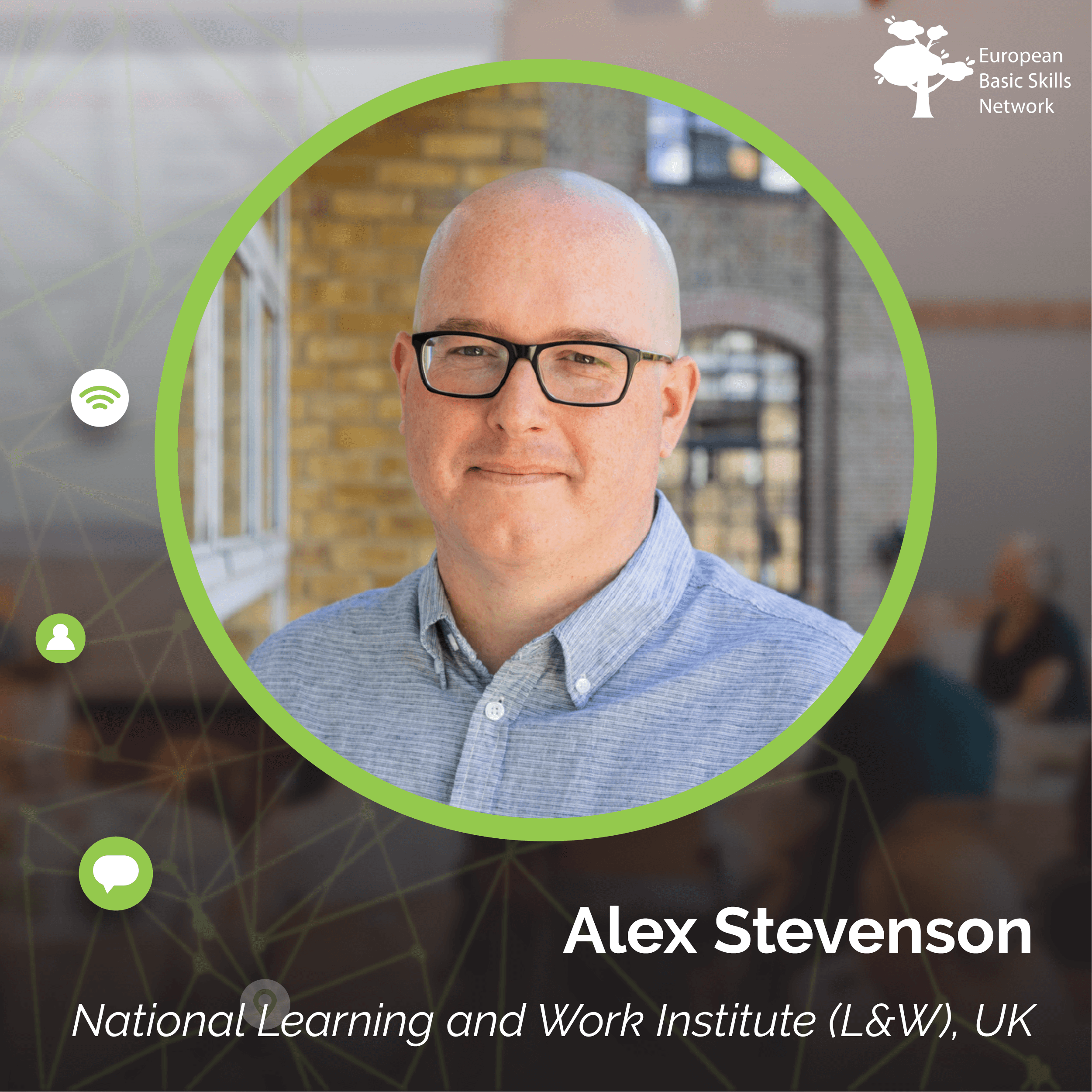
Alex Stevenson |
Chair
Alex Stevenson is a Head of Programme at Learning and Work Institute (L&W), leading the organisation’s research and development work on adult basic skills and learning in communities. Alex has worked on a range of projects for clients including the Department for Education, the Home Office, the Ministry of Housing, Communities and Local Government and the Greater London Authority. Alex’s recent basic skills projects include advising the Government on the feasibility of an online basic skills checker, producing new ESOL (English for Speakers of Other Languages) teaching and learning resources for refugees with limited literacy skills, and resources to support volunteers with the delivery of non-formal English language conversation clubs. He led L&W’s development work on the Citizens’ Curriculum, and currently leads a project in the London boroughs of Lambeth and Southwark, which explores how the Citizens’ Curriculum can benefit residents with long-term health conditions. Before joining L&W, Alex taught, managed and developed adult basic skills and ESOL provision for over 13 years. Alex is an executive board member at the European Association for the Education of Adults and an executive committee member at the European Basic Skills Network.
Alex has been a member of the EBSN EC since 2020.

Caroline Meier
Caroline Meier is an expert in the field of basic skills learning with more than ten years of experience in national and international projects. Caroline works in various networks to promote basic skills and the professionalization of trainers in the field. Additionally, she also has many years of NGO management experience.
Caroline has been a member of the EBSN EC since 2025.
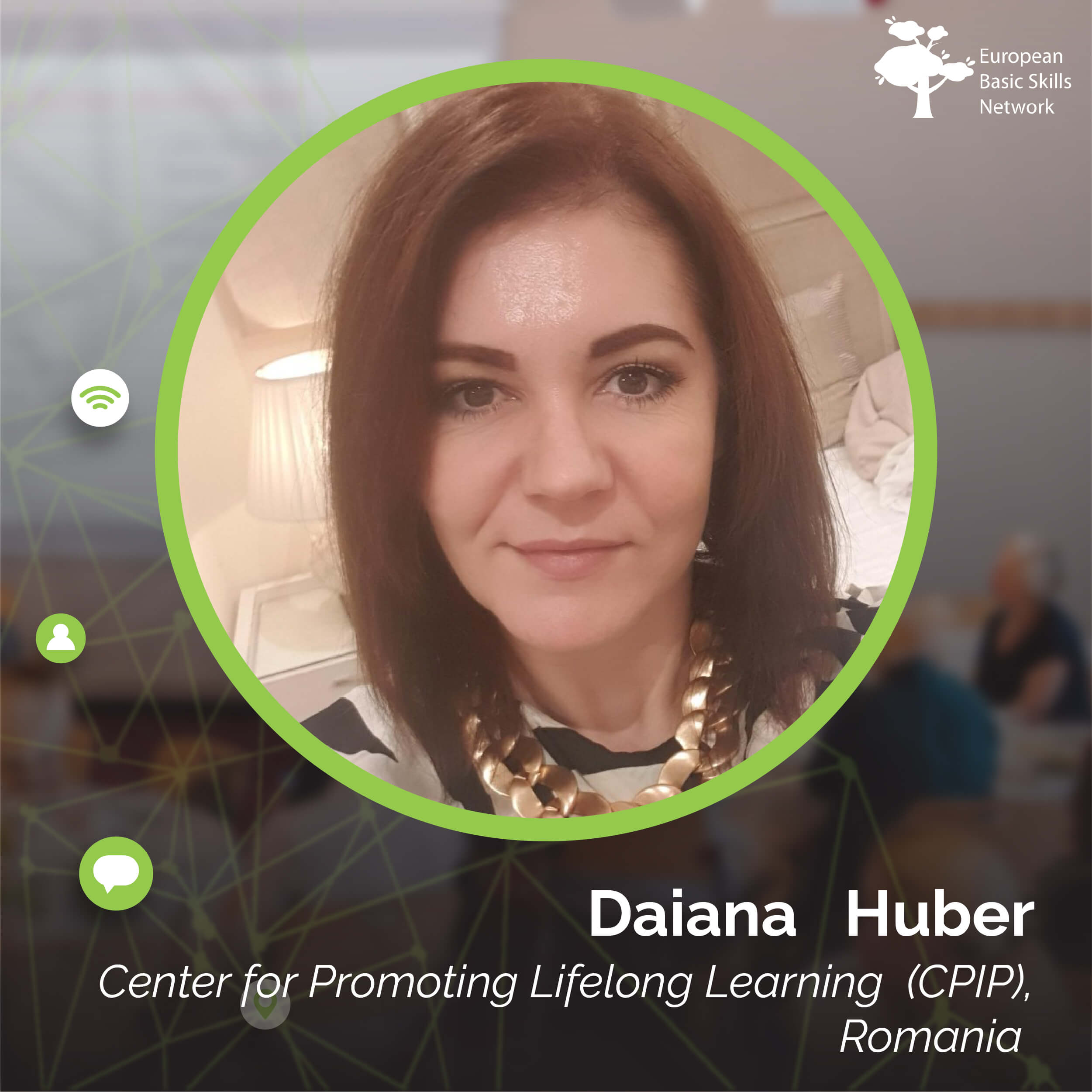
Daiana Huber
Pedagogue and capacity building trainer, working on Lifelong Learning and ERASMUS Programs. Specialised in crimial correctional justice, with targetted interventions in the role of practitioners delivering learning contexts. Since 2006 working in the CPIP Team as project developer and fund raise. Active advocate for the adult education sector and for the recognition of educational sciences in the sector.
Daiana has been a member of the EBSN EC since 2023.
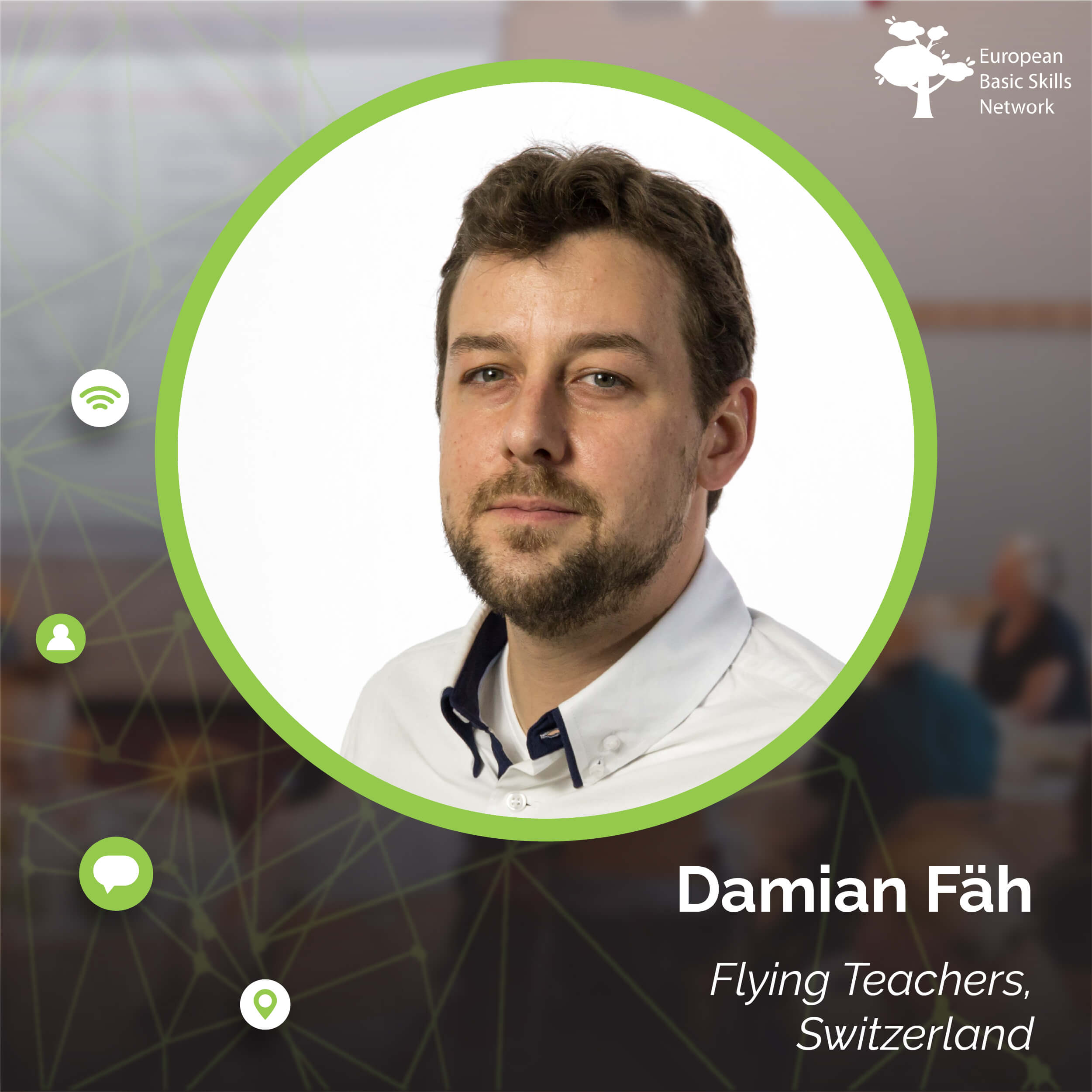
Damian Fäh
Damian Fäh is a certified education and training manager with seven years of experience in various fields of adult education. He is currently an innovation manager and product developer for Flying Teachers in the fields of basic skills provision, German as a second language and teacher-training. In this function, he is involved, as a consultant, in the modernization of the fide teacher-training modules, the subject of his presentation at this year’s conference. He is also an active teacher-trainer in EUROLTA, SVEB and fide certificate courses, and in basic skills trainings focusing on digital literacy. Before his current position, he managed an integration program for adult refugees, where he developed content, curricula and quality management processes for German, intercultural competence and job-application training and also worked as a trainer in these subjects.
Damian has been a member of the EBSN EC since 2023.
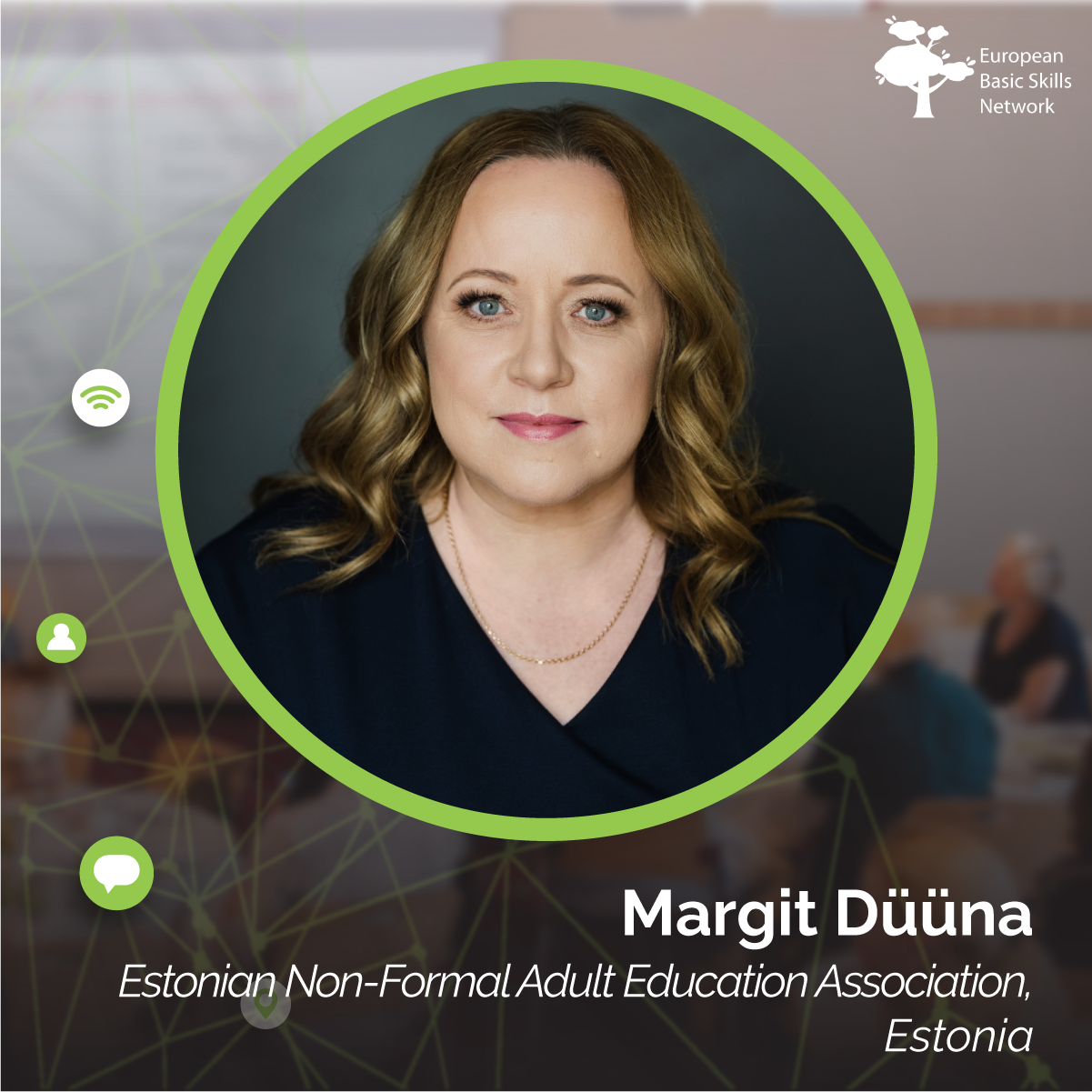
Margit Düüna
Margit Düüna is an experienced adult educator, supervisor and coach with more than 20 years of practice in adult learning and development. She is a certified adult educator (Level 7 in Estonia) and holds a Master’s degree in Management. Her work focuses on learner-centred approaches, group processes and the development of transversal skills in adult education.
Margit is Chairman of the Board of the Estonian Non-Formal Adult Education Association, where she contributes to the development of lifelong learning at both national and European level. She is also a member of the Adult Education Council at the Estonian Ministry of Education and Research, the Continuing Education Cooperation Council at the Estonian Quality Agency for Education, and the Continuing Education Quality Assessment Council.
Margit has been a member of the EBSN EC since 2026.
Former Chairs
Graciela Sbertoli
VOX / Skills Norway: Norway
Joyce Black
National Institute of Adult Continuing Education (NIACE) / National Learning and Work Institute: United Kingdom
Inez Bailey
National Adult Literacy Agency (NALA): Ireland
Jan Evensen
Fønix AS: Norway
Cäcilia Märki
Swiss Federation of Adult Learning (SVEB): Switzerland
Former Executive Committee members
Graciela Sbertoli
VOX / Skills Norway: Norway
Bernhard Grämiger
Swiss Federation of Adult Learning (SVEB): Switzerland
Zoltán Várkonyi
Association for Lifelong Learning (ALLL): Hungary
Monika Tröster
German Institute for Adult Education (DIE): Germany
Renate Haas-Beck
Adult Education Liechtenstein: Liechtenstein
Rosa Maria Falgás
Catalan Association for the Education of Adults (ACEFIR): Spain
Joyce Black
National Institute of Adult Continuing Education (NIACE) / National Learning and Work Institute: United Kingdom
José Lara Sánchez
Catalan Association for the Education of Adults (ACEFIR): Spain
Maria Toia
Romanian Institute for Adult Learning (IREA): Romania
Estera Mozina
Slovenian Institute for Adult Education (SIAE): Slovenia
Christine Clement
CINOP: The Netherlands
Cäcilia Märki
Swiss Federation of Adult Learning (SVEB): Switzerland
Zsolt Vincze
Association for Lifelong Learning (ALLL): Hungary
Jan Evensen
Fønix AS: Norway
Inez Bailey
National Adult Literacy Agency (NALA): Ireland
Silvia Faggioli
Italian Teacher and Principals Association (ADI): Italy
Samantha Duncan
UCL Institute of Education: United Kingdom
John Evers
The Association of the Austrian Adult Education Centres: Austria
Kees Hoogland †
HU University of Applied Sciences Utrecht: The Netherlands
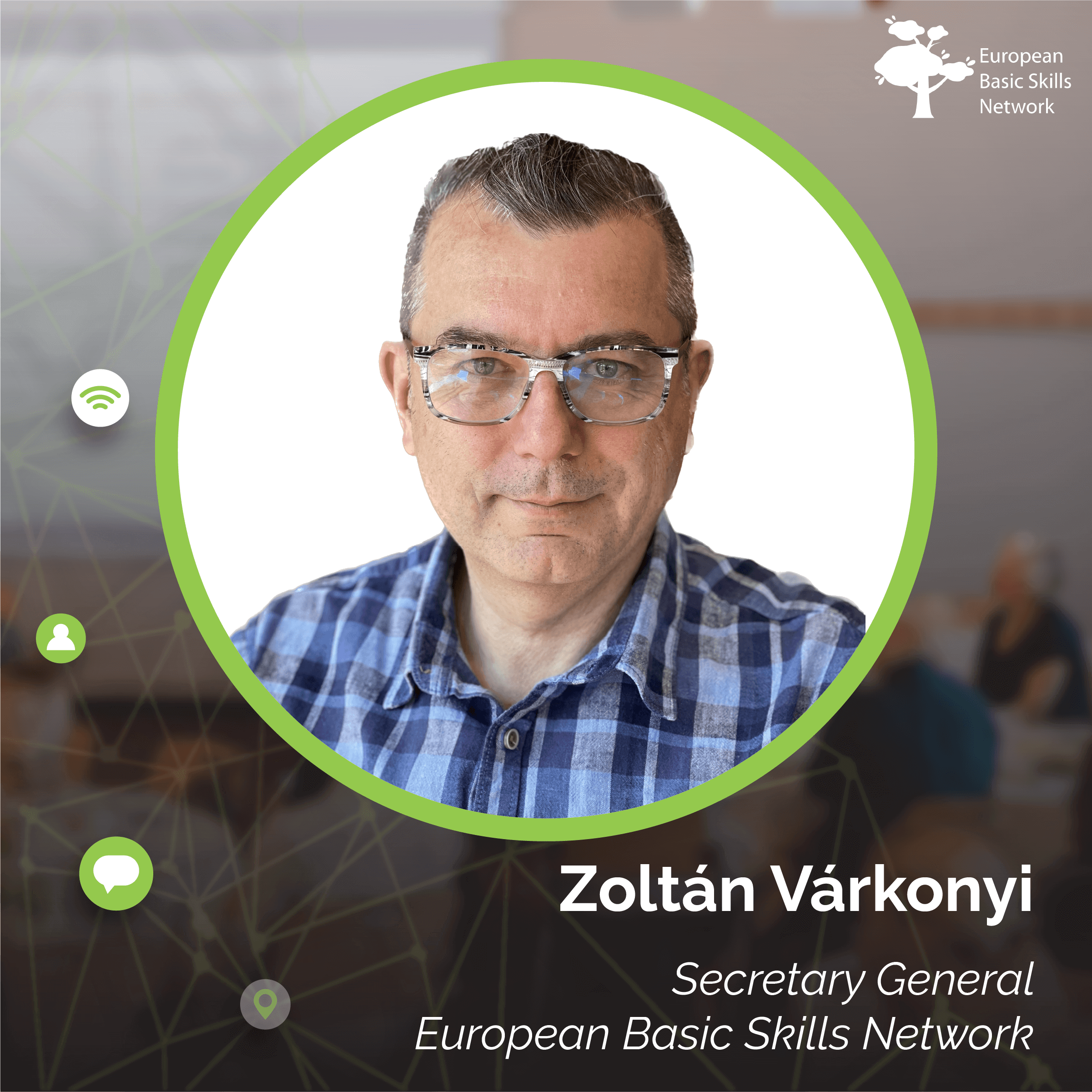
Zoltán Várkonyi |
Secretary General
Zoltán is one of the initiators of the Hungarian Association for Lifelong Learning and had a decisive role in developing and promoting the Network of Open Learning Centres in Hungary. Zoltán is a co-founder and director of Progress Development Co., which also functions as a knowledge centre for basic skills teaching & learning for the Network. Progress accommodates EBSN Secretariat in Budapest. He was a member of the EBSN Executive Committee between 2013-17 and the Head of the Secretariat between 2017-23, and he has served as Secretary General since May 2023. As Project Leader for the EBSN Professional Development Series, Zoltán coordinates the production and piloting of OERs & MOOCs in international collaboration.
The Secretariat is responsible for the administrative running of the Network and works in close cooperation with the Secretary General.
The Secretariat is hosted by a member institution (which may delegate tasks to an independent organization). The host institution is elected by the General Assembly and continues as host until further notice.
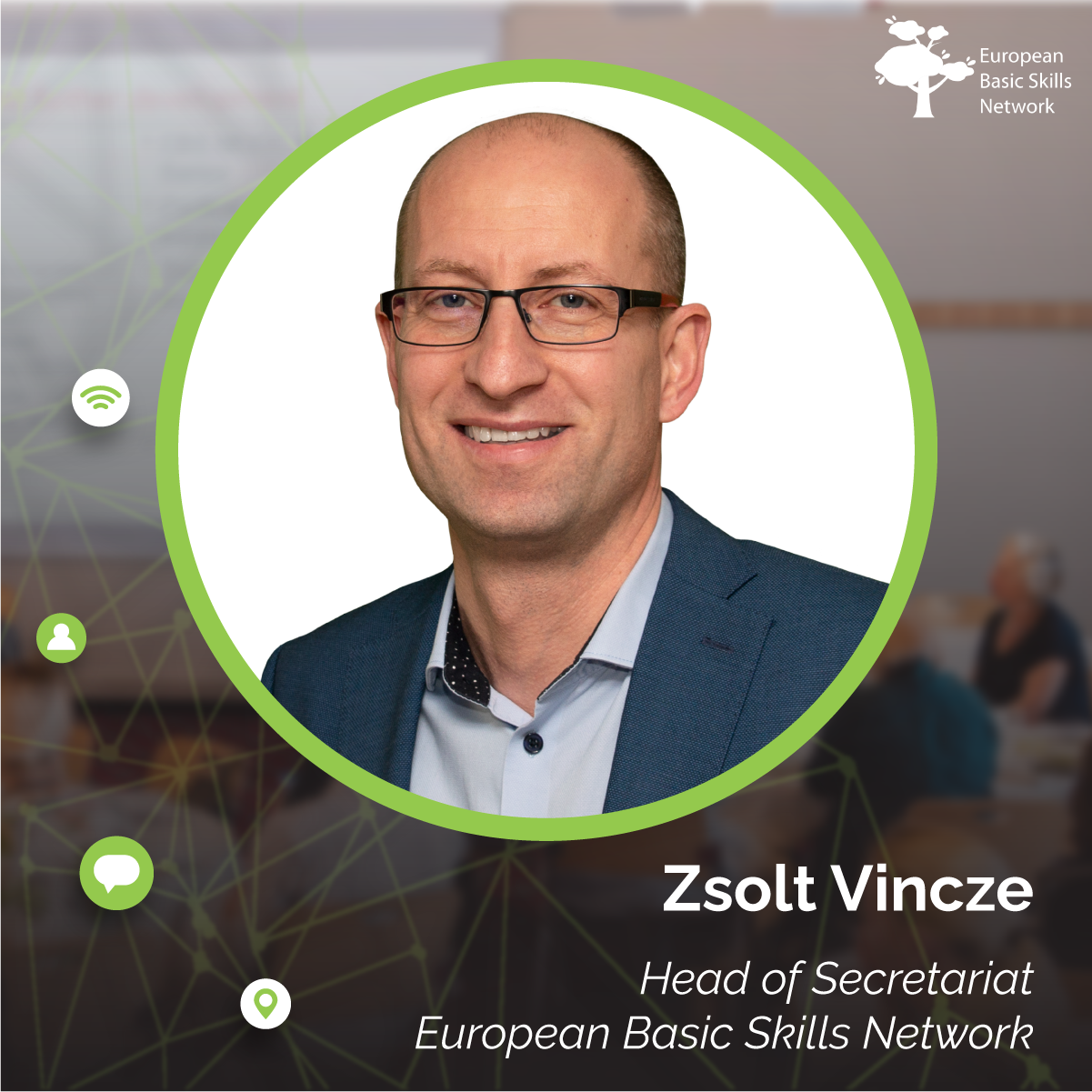
Zsolt Vincze |
Head of Secretariat
Zsolt Vincze is an experienced adult learning and project management professional with a long-standing involvement in the European Basic Skills Network. He is also part of the leadership of Progress Hungary, an organisation active in adult learning, lifelong learning, basic skills development and European cooperation.
He was a member of the EBSN Executive Committee between 2017 and 2025 and now serves as Head of the Secretariat, as well as Treasurer of the Network. Zsolt has been involved in the development and operation of Open Learning Centres in Hungary and has gained extensive experience in workplace competence development, project coordination and stakeholder cooperation. His professional profile combines hands-on work in adult learning with strong experience in organisational support and European collaboration.
Pictures of the Network
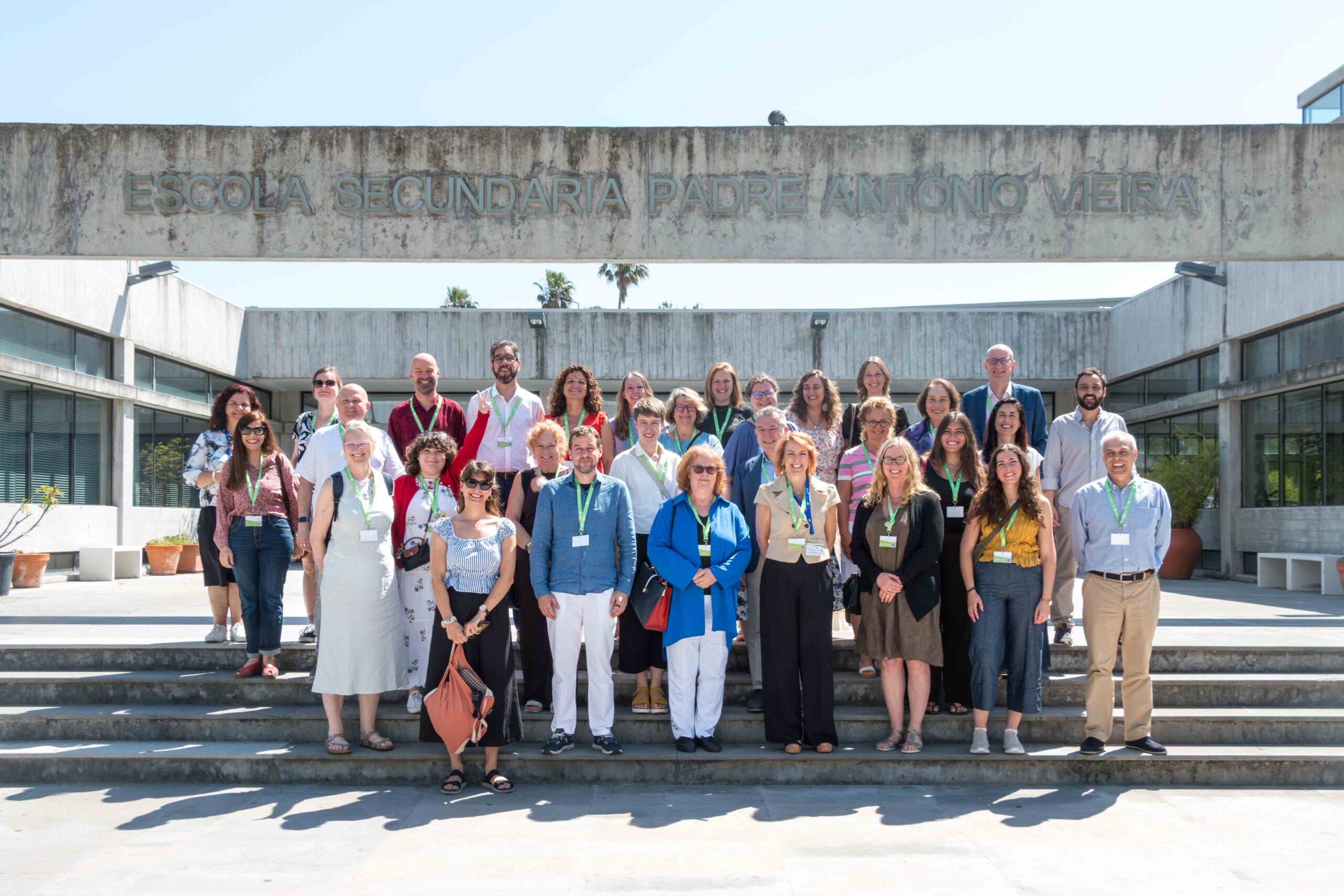
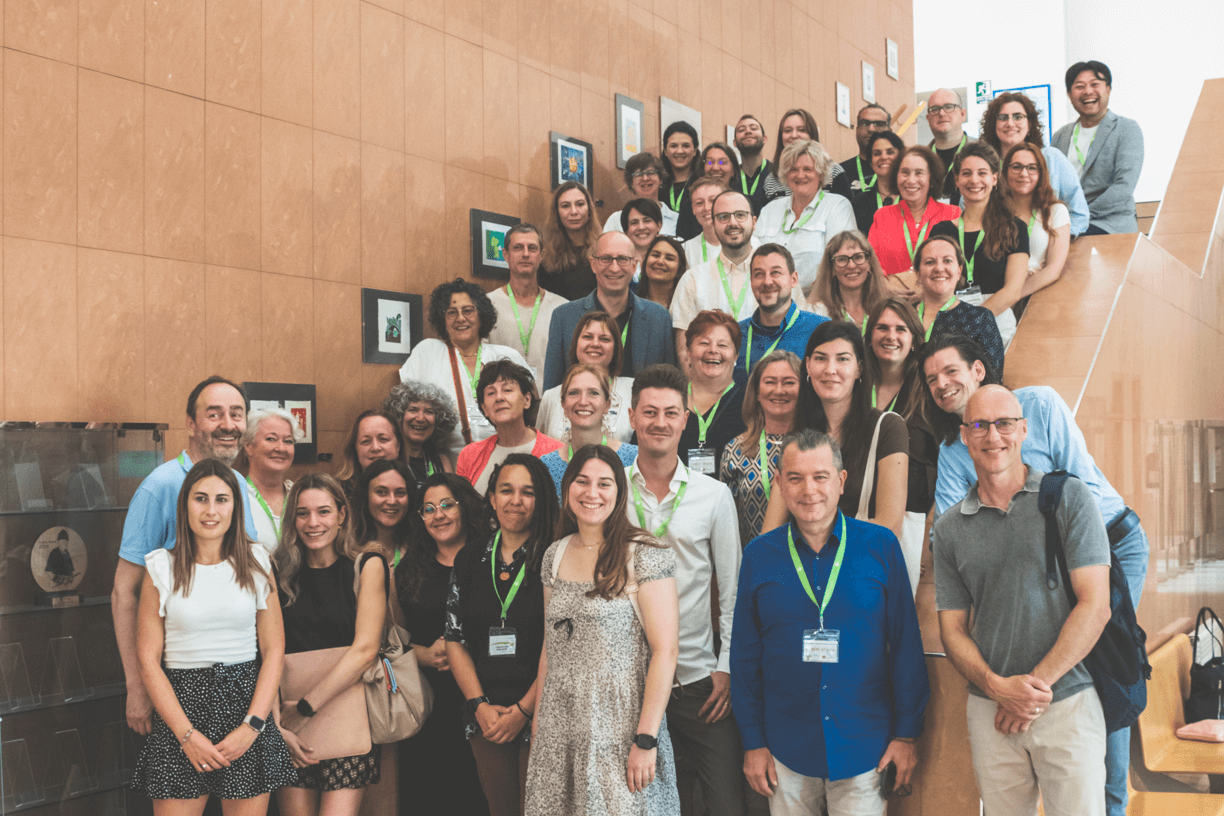

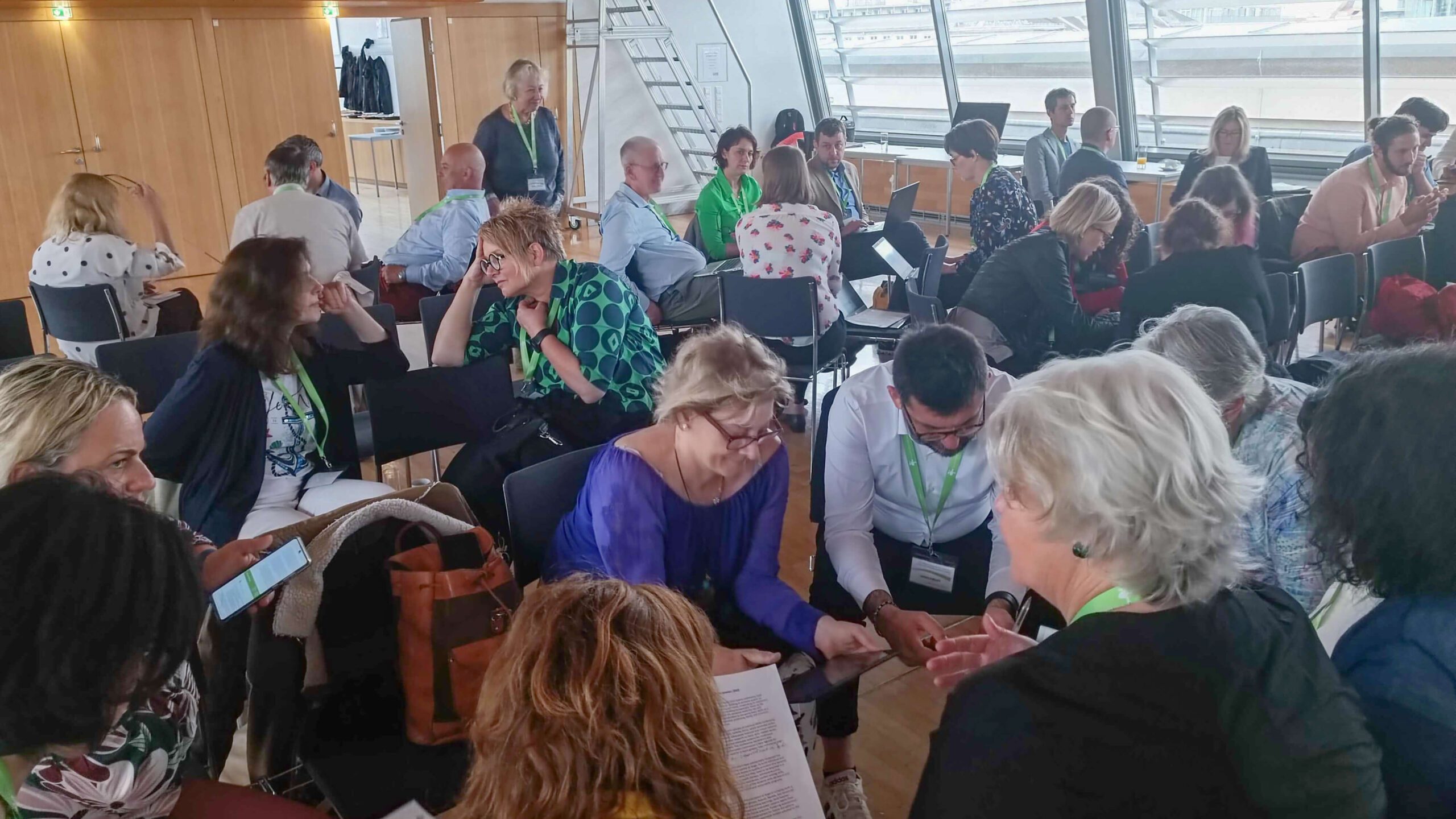
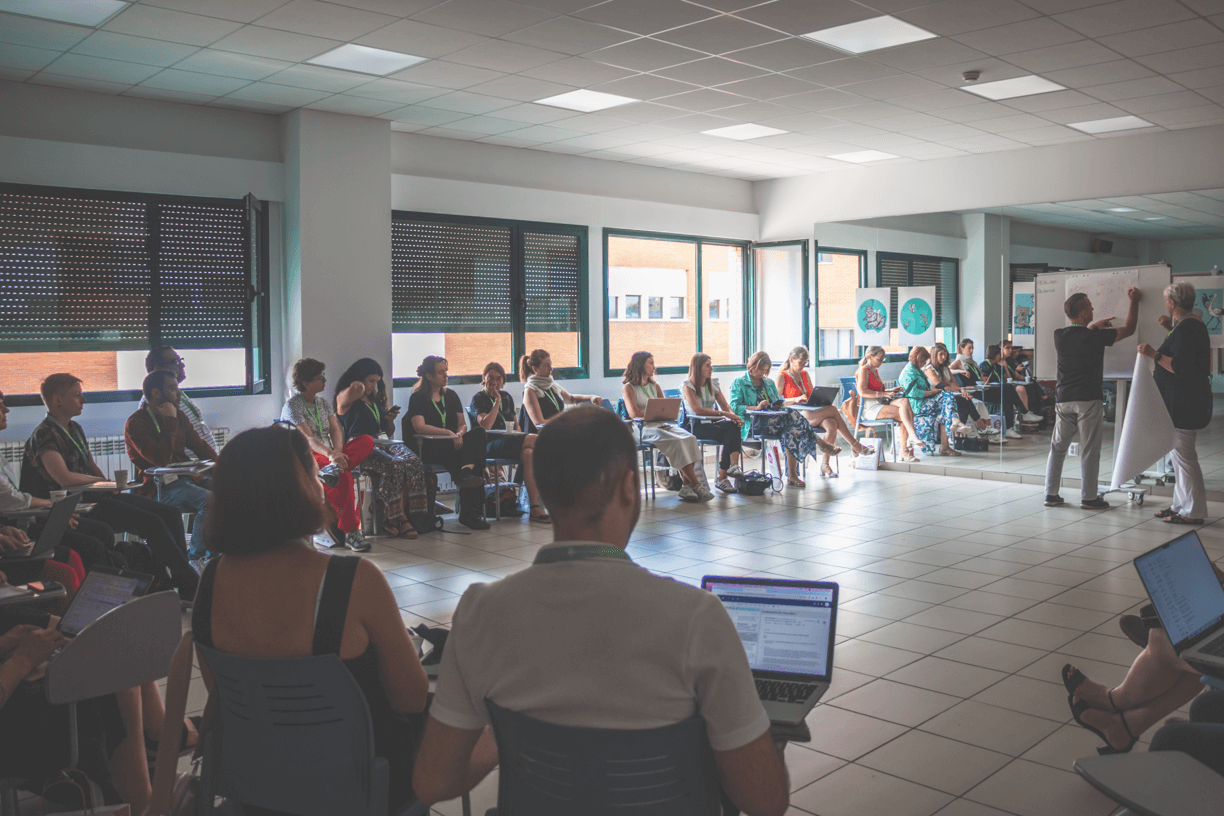
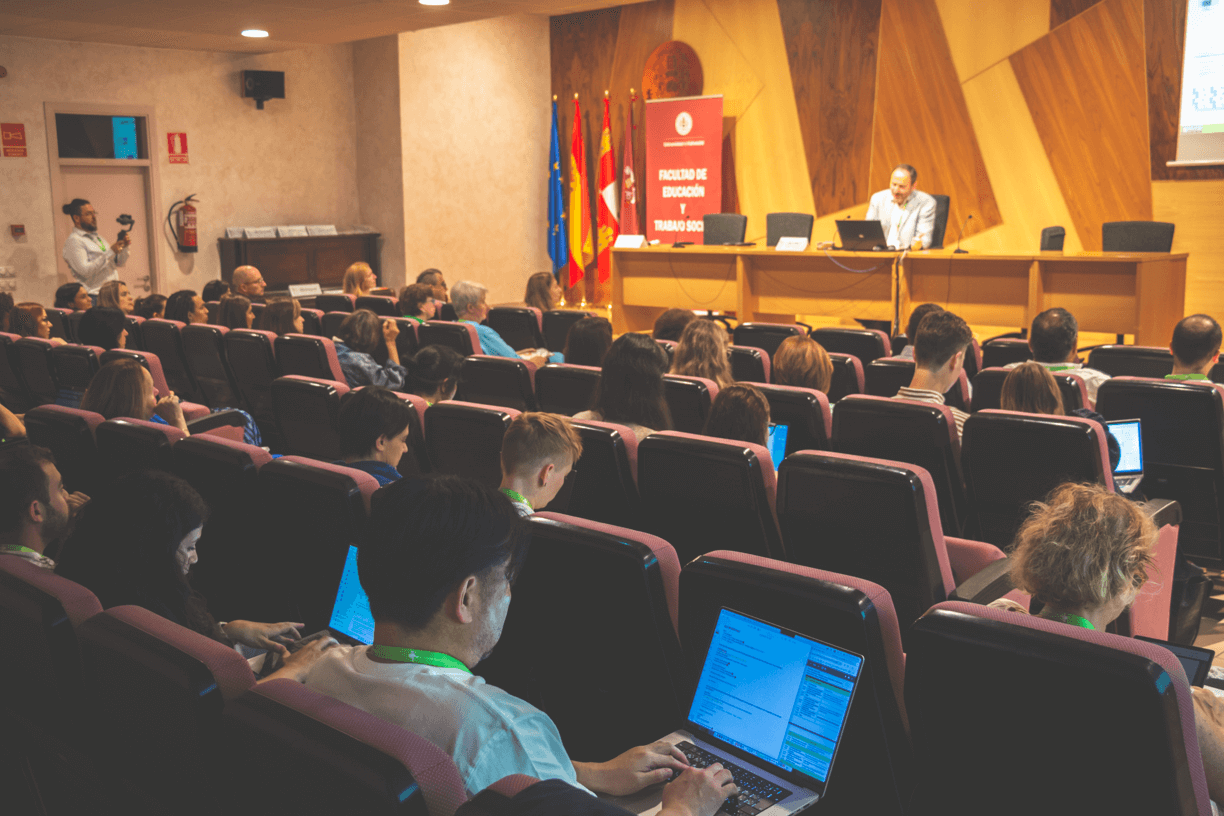
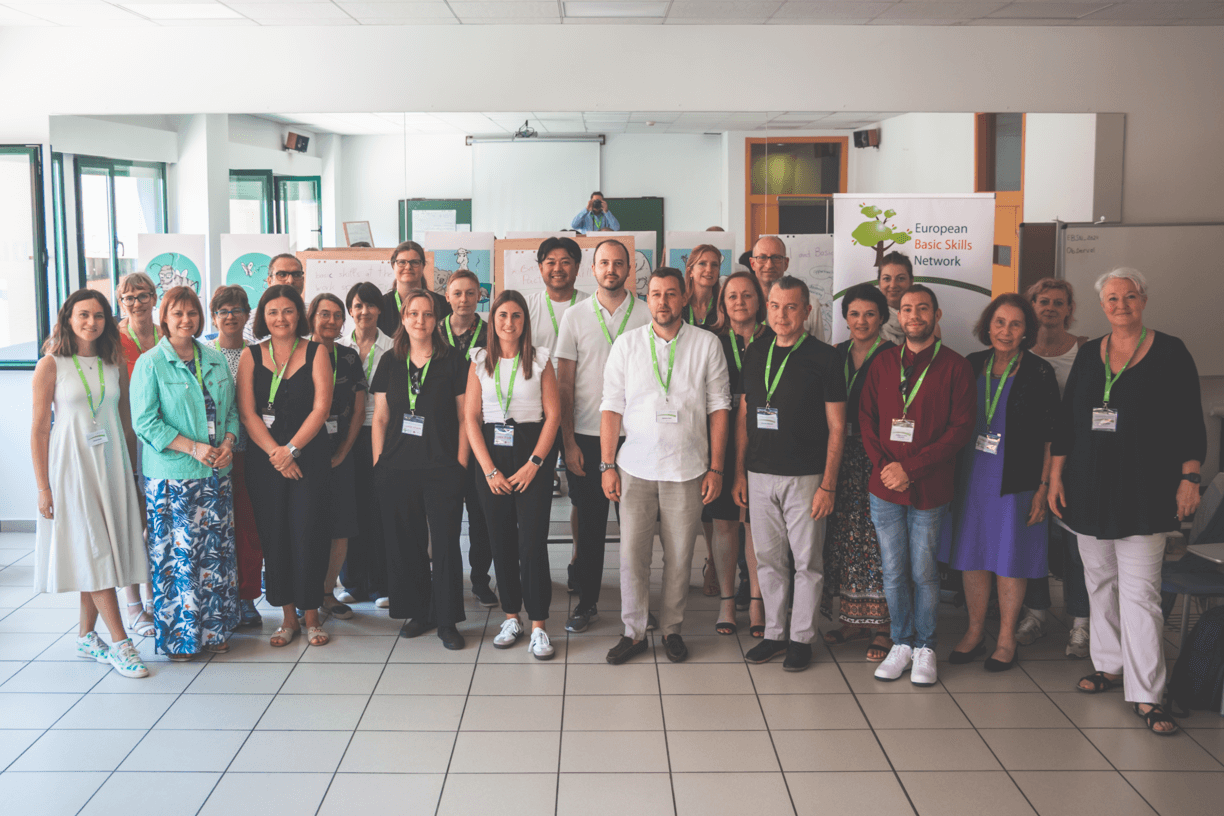
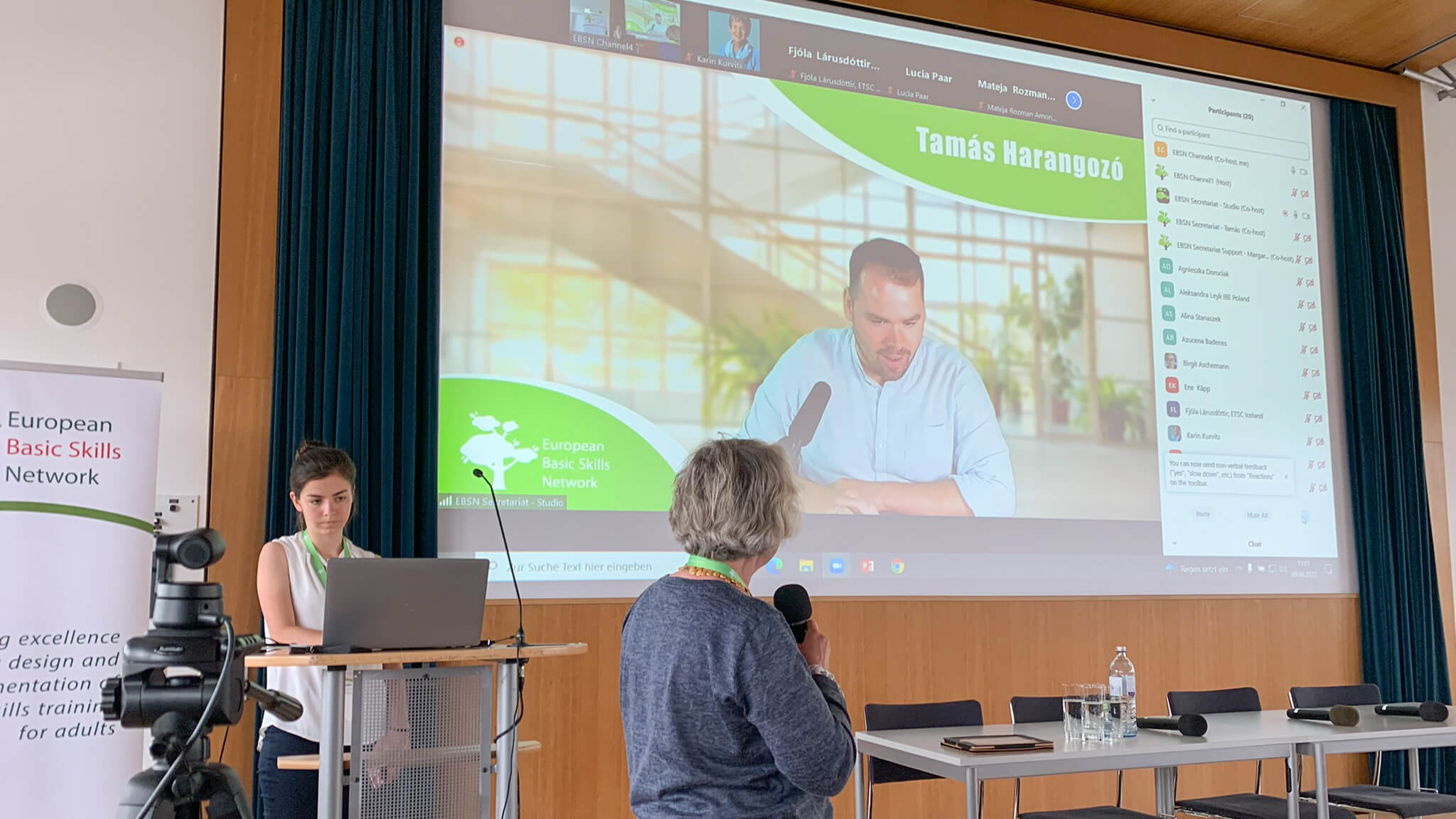
We are all across Europe!
Connected across europe and beyond!
EBSN brings together a diverse network of institutions across Europe and beyond, including public authorities, research and expert organisations, provider networks and associated members contributing to adult basic skills development.
Want to become a member too?
Why join EBSN?
Joining EBSN enables institutions to take part in a European space for cooperation on adult basic skills development. It offers opportunities to exchange perspectives with peers from different countries, contribute to shared discussions, and engage in a network that connects policy, implementation and expertise. While EBSN is rooted in Europe, the Network also includes associated members from beyond Europe, enriching exchange through wider international perspectives.
EBSN welcomes new member institutions committed to strengthening adult basic skills policy and practice. A broader and more diverse membership helps the Network deepen cooperation, widen exchange, and create new opportunities for shared development.
For prospective members
If your institution is active in adult basic skills policy, research or practice, EBSN offers a European framework for cooperation, learning and collaboration.
For current members
If you are already a member, you can help strengthen the Network by recommending relevant institutions in your country or beyond Europe that may benefit from joining EBSN.
Member-focused events
Take part in EBSN Cafés and other member-focused professional exchanges designed to support dialogue, learning and peer connection.
Relevant updates and insights
Receive newsletters, updates and targeted information that help members stay connected to current developments in the field.
Project development opportunities
Join thematic discussions and collaborative processes that help members develop shared ideas, partnerships and project initiatives.
Reduced conference fees
Benefit from reduced participation fees for the EBSN Annual Conference and General Assembly.
A trusted network of peers
Join a recognised European network where institutions exchange experience, build relationships and shape cooperation across countries.
Current
Members
Want to become a member too?
How to Apply
EBSN welcomes applications from institutions engaged in adult basic skills policy, research and practice. Membership is institutional rather than individual, and offers organisations the opportunity to join a European network built on cooperation, exchange and shared development.
Who can apply?
Membership is open primarily to institutions from European countries, whether they are members of the European Union or not. Institutions from outside Europe that meet the relevant criteria may join as associated members.
Eligible applicants may include public authorities and agencies, research and expert organisations, teacher education institutions, provider networks, umbrella organisations, social partners, NGOs and other stakeholders contributing to adult basic skills development.
Complete the application form
The applicant institution fills in the membership application form and ensures that it is signed by the head of the institution or department concerned.
Submit the signed form
The completed application form should be sent to the EBSN Secretariat using the contact details provided on the form.
Preliminary member status
Applications are reviewed by the Executive Committee. If accepted, the applicant institution is granted preliminary member status pending formal approval by the General Assembly.
Full membership approval
Preliminary members become full members once their application is approved by the General Assembly, which normally meets annually in connection with the Annual Conference, usually in June.
Decided to join?
Membership fee
The membership fee is based on two equally important criteria: the GDP per capita level of the applicant country and the size of the institution’s operational budget. Together, these determine the scoring category used to calculate the annual fee.
According to GDP per capita
GDP index equal to or higher than 120
GDP index equal to or higher than 80, lower than 120
GDP index less than 80
According to size of operational budget
Budget equal to or higher than 600k EUR
Budget equal to or higher than 200k, lower than 600k
Budget lower than 200k
NOTE: The GDP index figures used in the table are based on the relative value of a country’s GDP per capita compared with the EU average, using Eurostat data.
Annual fee
from 2025
Member institutions scoring 6 p
Member institutions scoring 5 p
Member institutions scoring 4 p
Member institutions scoring 3 p
Member institutions scoring 2 p
For member institutions that are networks spanning several countries, the GDP score is calculated as an average of the countries concerned. The Executive Committee may request documentation on the institution’s operational budget. GDP data are based on the relevant Eurostat indicator and normally refer to the previous year. Scores are updated periodically by the Secretariat.